Mividi Video Wall Multiview 2026: A Complete Guide for Professional Multi-Screen Video Management
Modern broadcasting, live production, security monitoring, and corporate presentation environments often require multiple video sources to be displayed simultaneously. This is where Mividi Video Wall Multiview becomes a valuable solution. Designed to simplify multi-screen video management, the software enables users to organize, monitor, and display several video feeds within a single customizable interface.
Whether you’re managing a broadcast control room, creating a digital signage network, or monitoring multiple camera feeds, Mividi Video Wall Multiview provides a flexible and efficient workflow. Its user-friendly design makes it accessible for beginners while offering advanced features that professionals need for large-scale video wall deployments.
In this guide, we’ll explore how to use Mividi Video Wall Multiview, its key features, advantages, limitations, and the best alternatives available today.
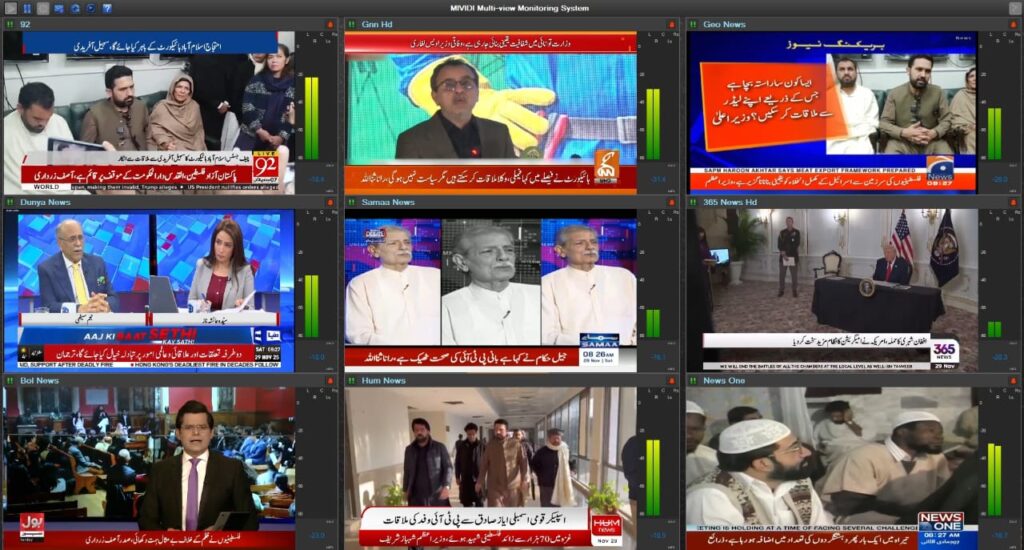
Step 1: Create a New Project
Getting started with Mividi Video Wall Multiview begins by creating a new project. After launching the software, users can select a project template or build a custom configuration from scratch based on their display requirements.
The project setup process allows you to define screen resolutions, video wall dimensions, display arrangements, and output settings. This flexibility ensures the software can adapt to different environments, from small monitoring stations to large-scale video wall installations. Proper project configuration at the beginning helps streamline the entire workflow and minimizes setup adjustments later.
Step 2: Import Media / Setup
Once the project is created, the next step is importing video sources and configuring the display environment. Mividi Video Wall Multiview supports various video inputs, making it suitable for diverse production and monitoring scenarios.
Users can connect:
- Live camera feeds
- Video files
- Streaming sources
- Network video streams
- External capture devices
The setup panel allows users to assign sources to specific windows, screens, or sections of the video wall. This organized approach helps maintain a clean workspace and ensures each source appears exactly where it is needed.
Step 3: Main Workflow
The primary workflow within Mividi Video Wall Multiview focuses on arranging, monitoring, and controlling multiple video sources simultaneously. Users can drag and drop content into different display regions while adjusting size, position, and layout configurations.
The software enables real-time monitoring, making it particularly useful for broadcasting, surveillance, event production, and command center operations. Operators can quickly switch between layouts, reorganize sources, and adapt displays as requirements change.
Because the interface is designed for efficiency, users can manage complex video wall projects without navigating through complicated menus. This improves productivity and reduces the learning curve for new operators.
Step 4: Add Features (Effects, Tools, and Customization)
One of the strengths of Mividi Video Wall Multiview is its extensive customization capability. After arranging video sources, users can enhance their projects using various tools and display options.
Common customization features include:
- Custom screen layouts
- Flexible window resizing
- Source labeling
- Border and frame adjustments
- Real-time source switching
- Multi-display synchronization
- Layout presets
- Advanced monitoring controls
These tools allow organizations to create professional-looking video walls that match operational requirements. The ability to save presets also speeds up future projects by allowing users to reuse existing configurations.
Step 5: Export / Save Output
After configuring the video wall and completing the setup, users can save project files for future use. Saving projects ensures layouts, source assignments, and customization settings remain intact.
Depending on the deployment environment, output can be directed to:
- Large LED video walls
- LCD display arrays
- Monitoring stations
- Broadcast control rooms
- Digital signage networks
Project files can be reopened and modified whenever changes are needed, making long-term management much more efficient.
Best Use Cases for Mividi Video Wall Multiview
Mividi Video Wall Multiview serves a wide range of professional industries where multiple video sources need to be displayed and managed efficiently.
Broadcast Production
Television studios and live production environments can monitor multiple cameras, graphics systems, and program feeds from a single interface.
Security and Surveillance
Security teams can view multiple camera feeds simultaneously, helping improve situational awareness and monitoring efficiency.
Command and Control Centers
Government agencies, transportation hubs, and emergency response centers benefit from centralized video monitoring and information display.
Corporate Presentations
Businesses can create professional presentation walls for conferences, exhibitions, and executive meetings.
Digital Signage Networks
Organizations can manage content across multiple screens while maintaining a consistent and organized display structure.
Advantages and Limitations
Every video wall solution has strengths and weaknesses. Understanding both helps users determine whether Mividi Video Wall Multiview fits their requirements.
Advantages
- User-friendly interface suitable for beginners
- Flexible video wall configuration options
- Supports multiple video input sources
- Real-time monitoring capabilities
- Customizable layouts and screen arrangements
- Efficient management of large display systems
- Suitable for broadcast and surveillance applications
- Scalable for both small and large deployments
Limitations
- Advanced configurations may require technical knowledge
- Performance depends on available hardware resources
- Large-scale projects may require powerful graphics systems
- Initial setup can take time for complex video wall environments
- Some enterprise-level features may require additional integrations
Alternatives to Mividi Video Wall Multiview
While Mividi Video Wall Multiview is a capable solution, several alternatives are available depending on your specific requirements.
Datapath WallControl
A professional video wall management platform widely used in control rooms and mission-critical environments.
Userful Video Wall Platform
A software-based video wall solution designed for enterprise deployments and centralized management.
VuWall TRx
Provides advanced video wall control software 2026 and visualization capabilities for command centers and security operations.
Christie Phoenix
Offers powerful video management tools and collaborative visualization features for professional environments.
Barco Control Room Solutions
Popular in operations centers that require reliable multi-source video display management.
Frequently Asked Questions (FAQs)
What is Mividi Video Wall Multiview used for?
Mividi Video Wall Multiview is used to display, organize, and manage multiple video sources across a customizable video wall environment.
Is Mividi Video Wall Multiview suitable for beginners?
Yes. The software provides an intuitive interface that allows new users to create and manage video wall projects without extensive training.
Can it display multiple live video feeds simultaneously?
Yes. The platform is designed to handle multiple live sources, making it ideal for monitoring and control room applications.
Does it support custom screen layouts?
Yes. Users can create personalized layouts, resize windows, and arrange content according to operational requirements.
Is it useful for surveillance systems?
Absolutely. Security and surveillance teams often use video wall software to monitor multiple camera feeds from a centralized display.
Can projects be saved and reused?
Yes. Users can save project configurations and reopen them later, reducing setup time for recurring workflows.
Conclusion
Mividi Video Wall Multiview is a practical and versatile solution for organizations that need efficient multi-screen video management. Its combination of flexible layouts, real-time monitoring, customizable display options, and support for multiple video sources makes it suitable for broadcasting, surveillance, command centers, and corporate environments.
For users seeking a reliable video wall management platform, Mividi Video Wall Multiview offers a balanced mix of usability and functionality. Whether managing a small monitoring station or a large-scale video wall installation, the software provides the tools necessary to create organized, professional, and effective visual environments.
Download
Telegram ID
eMail